A Beginner’s Guide to Freedom, Style, and the Open Road
Welcome to the exciting world of motorcycling! As new motorcycle riders, you’re about to start an adventure filled with freedom, excitement, and endless roads to explore. One of the most important steps you’ll take is learning how to pick the right bike—a decision that shapes your riding experience from day one.
Choosing your first motorcycle isn’t just about looks or engine size. It’s about finding a machine that matches your style, fits your comfort needs, and aligns with your riding goals. This beginner motorcycle guide is designed to help you navigate these choices confidently.
Inside this article, you’ll discover:
- Different motorcycle styles and what suits various personalities
- How comfort affects confidence and safety on the road
- Tips on matching your bike to where and how you plan to ride
Whether you dream of cruising city streets, tackling winding highways, or venturing off the beaten path, this guide offers practical insights so you can make an informed decision. Let’s dive into what it takes to pick the perfect bike for your journey ahead.
Understanding Motorcycle Types
When diving into the world of motorcycling, it’s crucial to understand the various types of motorcycles available. Here’s a brief overview to help you navigate through the options:
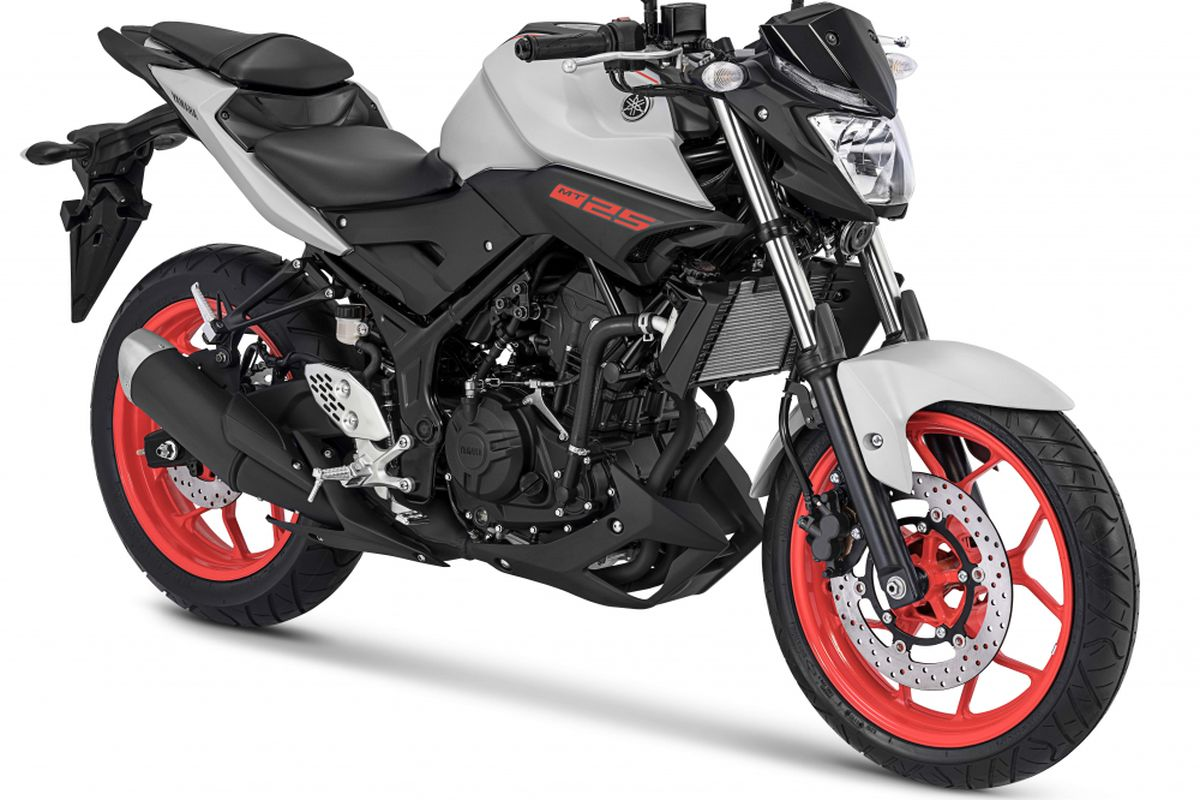
- Standard/Naked Bikes: Versatile and practical, these bikes are great for beginners due to their all-around performance and comfortable riding position. They are suitable for daily commuting or weekend rides.
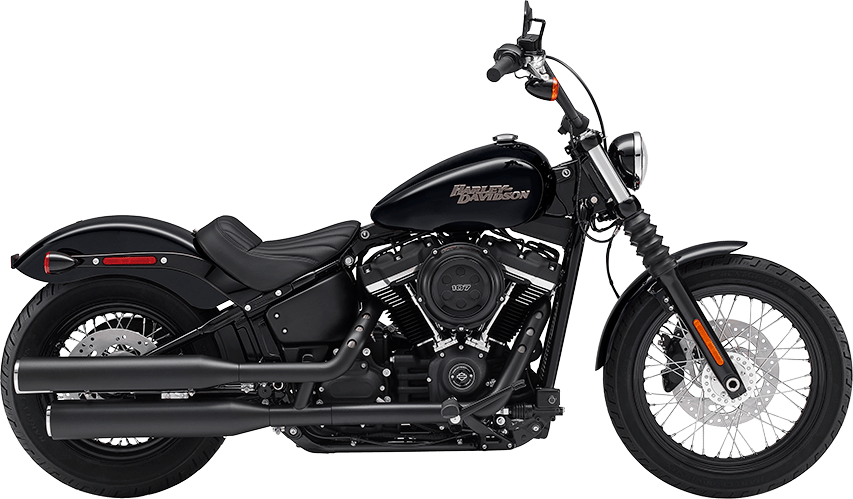
- Cruisers: Known for their laid-back riding position and classic styling, cruisers offer a relaxed experience ideal for leisurely cruising on highways. They are popular among riders looking for a laid-back and stylish ride.
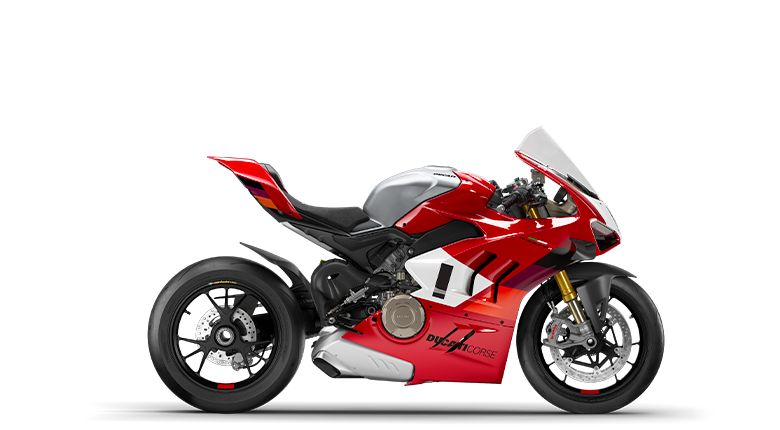
- Sport Bikes: Engineered for speed and performance, sport bikes are designed for those seeking adrenaline-pumping experiences on twisty roads or tracks. They feature aggressive riding positions and powerful engines.
- Adventure (ADV) Bikes: Designed for long-distance touring and off-road adventures, ADV bikes offer versatility to tackle various terrains. With comfortable ergonomics and ample storage options, they are perfect for riders craving exploration.
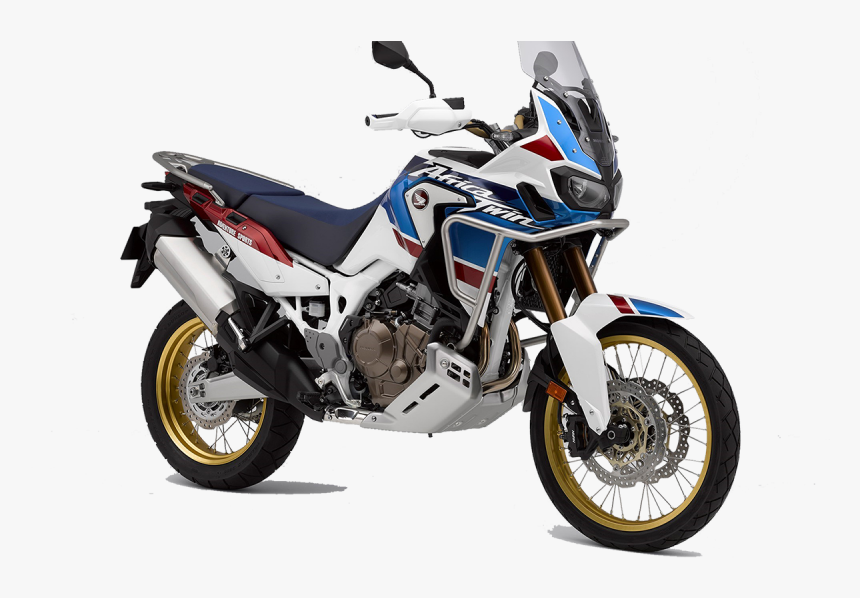
- Dual-Sport/Supermoto: Combining street and off-road capabilities, dual-sport motorcycles are suitable for riders who enjoy both urban commuting and dirt trails. These bikes provide agility and versatility for diverse riding experiences.
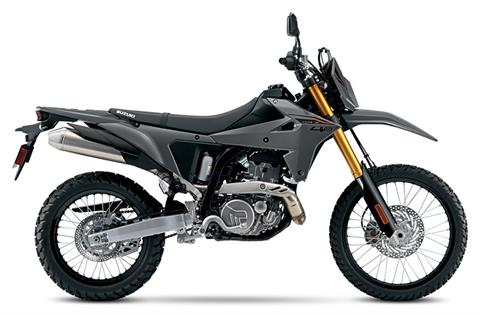
Exploring these different styles will help you determine which type aligns best with your personality and riding goals, setting the foundation for an exciting journey into the world of motorcycling.
Factors to Consider When Picking Your First Bike
When choosing your first bike, several key factors come into play to ensure a safe and enjoyable riding experience:
1. Comfort and Handling
Comfortable ergonomics and responsive handling are essential for rider confidence and safety on the road. Ensure the bike feels right for your body size and riding style.
2. Matching Seat Height with Inseam
Matching the seat height with your inseam length is crucial for better control of the motorcycle. Being able to plant both feet firmly on the ground enhances stability, especially at stops.
3. Balancing Power Needs
Opt for a bike with a manageable engine size that aligns with your skill level. Beginners are generally advised to start with engine sizes ranging from 300cc to 500cc, striking a balance between power and ease of handling.
4. Budget Considerations
Apart from the purchase price, factor in maintenance costs when selecting a bike. Opting for budget-friendly motorcycles will not only ease the initial financial burden but also make ongoing maintenance more affordable.
Considering these aspects will help you find a bike that suits your needs while ensuring a smooth transition into the world of motorcycling.
Matching Your Riding Location and Lifestyle
When choosing your first motorcycle, it’s essential to consider where you will primarily be riding and how your lifestyle aligns with your riding goals. The type of bike that suits your needs can vary significantly based on these factors:
1. Urban Streets
If you plan to navigate through city traffic frequently, a nimble and lightweight bike with good maneuverability is key. Look for models designed for urban commuting that offer easy handling and efficiency in stop-and-go situations.
2. Open Highways
For long-distance rides on highways, comfort and stability become crucial. Touring motorcycles with ergonomic designs, wind protection features, and ample storage options are ideal for extended journeys.
3. Trails and Off-Road Adventures
Those seeking adrenaline-fueled off-road experiences should opt for dual-sport or adventure bikes with rugged construction, off-road capabilities, and adjustable suspension for versatile terrain coverage.
Your daily routine and weekend escapades play a significant role in determining the most suitable motorcycle style for you. Whether you’re commuting to work daily or embarking on adventurous weekend rides, aligning your bike choice with your lifestyle ensures a fulfilling riding experience tailored to your needs and preferences.
The Benefits of Riding for New Motorcyclists
Motorcycling offers a unique combination of emotional and practical benefits that go beyond just getting from one place to another. Here are some of the reasons why new motorcyclists love riding:
1. The Freedom of the Open Road
One of the most celebrated benefits of motorcycling is the feeling of freedom it brings. Unlike being confined in a car, riding a motorcycle allows you to experience the open road like never before. You can feel the wind on your face, hear the roar of the engine, and truly connect with your surroundings.
2. Joining a Supportive Community
When you become a motorcyclist, you also become part of a larger community. Joining motorcycle groups and clubs provides a sense of belonging and support for new riders. It’s an opportunity to meet other enthusiasts, share stories, and learn from each other’s experiences.
3. Staying Physically Engaged
Motorcycling requires physical engagement in ways that other forms of transportation don’t. Balancing on two wheels, maneuvering through curves, and reacting to changing road conditions keeps your body active and your mind alert. This level of involvement can be exhilarating and addictive for many riders.
4. Exploring New Places
Every ride is an adventure waiting to happen. Whether you’re cruising along scenic backroads or hitting the open highway, there’s always something new to discover on a motorcycle. Each journey becomes an opportunity to explore different landscapes, visit hidden gems, and create unforgettable memories.
These factors contribute to why so many new riders quickly fall in love with motorcycling—it’s not just about getting from point A to point B; it’s about embracing freedom, connecting with others, staying active, and seeking out new experiences.
Essential Beginner Tips Before Buying a Motorcycle: Gear Guide and Starting Small Engine Size
Starting your motorcycling journey with the right preparation makes a huge difference. One of the smartest moves you can make is to take a certified motorcycle safety course. These courses are designed specifically for beginners and teach you essential riding skills, traffic rules, and emergency handling techniques. Completing a safety course not only boosts your confidence but may also lower your insurance costs.
Investing in quality gear is just as important as learning how to ride. Proper gear protects you from injuries and helps you feel secure on the bike. Here’s what every beginner should consider:
- Helmet: Look for DOT or ECE certified helmets that fit snugly.
- Jacket and Pants: Abrasion-resistant materials like leather or textile with armor protection.
- Gloves: Full-fingered gloves to protect hands while maintaining grip.
- Boots: Sturdy, ankle-covering boots with non-slip soles.
Starting with a small engine size (300-500cc) is highly recommended if you’re new to motorcycling. Smaller engines offer manageable power that helps you focus on mastering control rather than being overwhelmed by speed. Bikes in this range strike the right balance between performance and ease of handling — crucial for building riding skills safely.
Choosing the right gear combined with starting small engine size motorcycles creates a solid foundation for every new rider aiming for safety and enjoyment on the road.
Exploring Popular Beginner Bikes for 2025
New motorcycle riders often look for cruisers that combine style, comfort, and manageable power. The top beginner cruisers 2025 beginner motorcycles list features models designed to ease you into riding without overwhelming complexity or weight.
Top 5 Beginner-Friendly Cruiser Motorcycles for 2025
1. Honda Rebel 500
Pros: Lightweight frame, smooth 471cc parallel-twin engine, low seat height ideal for shorter inseams.
Cons: Limited storage options; may feel underpowered on highways for taller riders.
2. Kawasaki Vulcan S
Pros: Adjustable ergonomics to fit different rider sizes, 649cc parallel-twin engine offers a good balance of power and control.
Cons: Slightly heavier than other beginner bikes—best suited if you want room to grow skills.
3. Yamaha V Star 250
Pros: Very light and easy to handle with a modest 249cc engine, classic cruiser styling perfect for newcomers.
Cons: Engine size limits highway performance; better suited for city riding.
4. Suzuki Boulevard C50
Pros: It features a low seat height, wide saddle, and forward-set foot-pegs, making it ideal for new riders or those who want a relaxed, cruiser-style ride. Its balanced weight distribution and smooth clutch engagement make it easy to handle—even at low speeds
Cons: While the 805cc V-twin engine is smooth and reliable, some riders find it lacks the torque and top-end power needed for confident highway passing or carrying a passenger and luggage.
5. Harley-Davidson Nightster
Pros: Iconic cruiser look with a beginner-friendly liquid-cooled V-twin engine, strong dealer network and community support.
Cons: Pricier than most beginner models; insurance costs can be higher.
Choosing the right cruiser depends on your personal preferences around power delivery, style, and intended use—whether it’s casual city cruising or weekend rides on open roads. This selection balances ease of use with authentic cruiser appeal tailored for new motorcycle riders stepping into the world of two wheels in 2025.
Adventure Bikes Vs Dual-Sports: What’s Best
When it comes to choosing the right bike for your adventures, two popular options stand out: adventure bikes and dual-sport bikes. Both have their own unique features and benefits, making them suitable for different types of riders and riding experiences. In this comparison, we’ll explore the key differences between adventure bikes and dual-sport bikes to help you decide which one is best for you.
Adventure Bikes: The Ultimate Touring Machines
Adventure bikes are specifically designed for long-distance touring and are built to provide comfort and convenience during extended rides. Here are some key characteristics of adventure bikes:
- Comfortable Seating Position: Adventure bikes typically have a more upright seating position, allowing riders to maintain a comfortable posture even during long hours on the road.
- Ample Storage Options: These bikes often come with integrated luggage systems or have the capability to accommodate saddlebags, providing plenty of space for carrying gear, camping equipment, or travel essentials.
- Larger Fuel Tanks: Adventure bikes usually feature larger fuel tanks compared to dual-sport bikes, enabling them to cover greater distances without frequent refueling stops.
- Touring Amenities: Many adventure bikes come equipped with additional features such as windshields, heated grips, and advanced electronics for added comfort and convenience on long journeys.
Dual-Sport Bikes: Versatile Off-Road Warriors
Dual-sport bikes are known for their versatility, as they can handle both street riding and off-road adventures with ease. Here are some key characteristics of dual-sport bikes:
- Agile Handling: Dual-sport bikes are generally lighter and more nimble than adventure bikes, making them easier to maneuver through tight trails, rocky paths, or technical terrains.
- Flexible Riding Capability: These bikes are designed to excel in various riding conditions, whether it’s commuting on city streets or exploring remote dirt roads.
- Off-Road Focused Features: While dual-sport bikes may not have as many touring-specific amenities as adventure bikes, they often come with features like knobby tires, longer suspension travel, and protective guards that enhance their off-road capabilities.
Choosing the Right Bike for You
When deciding between adventure bikes and dual-sport bikes, it’s essential to consider your riding preferences and the type of terrain you’ll most frequently encounter. Here are some factors to keep in mind:
- Riding Style: If you enjoy long-distance touring trips where comfort and storage capacity are crucial, an adventure bike might be the better choice. On the other hand, if you prefer spontaneous weekend getaways or day trips that involve a mix of street and off-road riding, a dual-sport bike could offer the versatility you need.
- Terrain Exploration: Think about the kind of terrains you plan to explore regularly. If your adventures primarily involve highways or well-paved roads leading to remote destinations, an adventure bike’s touring capabilities will come in handy. However, if you anticipate tackling rugged trails or challenging off-road sections frequently, a dual-sport bike’s agility will be beneficial.
- Comfort vs Agility: Consider what matters more to you—comfort during long rides or agility in navigating tricky terrains? Adventure bikes prioritize rider comfort over everything else while dual-sports focus on being lightweight and nimble for off-road maneuvers.
Ultimately, both adventure bikes and dual-sport motorcycles have their strengths depending on individual preferences. It’s recommended that prospective buyers test ride different models before making any final decisions!
Preparing for Your First Group Ride Adventure
Group rides offer a unique way to enjoy motorcycling, blending camaraderie with shared experiences on the road. Getting ready for your first group ride means preparing mentally and physically to match the pace and expectations of the pack.
Mental Preparation:
Know the route and schedule. Familiarize yourself with the planned stops and estimated distances.
Stay alert. Riding in a group requires focus on both your bike and fellow riders.
Practice patience. Group riding demands smooth, predictable behavior—avoid sudden moves or aggressive overtaking.
Physical Preparation:
Wear proper gear. Protective clothing, gloves, boots, and a DOT-approved helmet are essential.
Check your bike thoroughly. Before leaving, inspect tire pressure, brakes, lights, and fuel level.
Hydrate and rest well. Fatigue affects reaction time; come prepared to stay sharp.
Motorcycle Group Etiquette:
Maintain consistent spacing with the rider ahead—usually a two-second gap.
Use hand signals or light signals to communicate hazards or changes in speed.
Avoid weaving between bikes; stay in your lane position.
Respect the ride leader’s instructions and keep pace with the group.
Mastering these group ride tips for beginners builds confidence and safety. Being respectful and prepared makes the experience enjoyable for you and everyone involved.
Motorcycle Maintenance Basics For New Riders
Getting comfortable with motorcycle maintenance 101 is essential for every new motorcycle rider. Performing easy motorcycle upkeep tasks not only extends the life of your bike but also keeps you safe on the road. You don’t need to be a mechanic to handle these basics.
Key tasks to master:
- Check tire pressure regularly: Proper tire pressure ensures good grip and handling. Use a reliable gauge and follow the manufacturer’s recommended PSI. Underinflated tires can cause poor control, while overinflated ones reduce traction.
- Monitor oil levels and quality: Engine oil lubricates vital parts and prevents overheating. Check the oil level with the dipstick before each ride. Change oil according to your bike’s schedule or after long rides in tough conditions.
- Lubricate the chain: A well-lubricated chain reduces wear and keeps power delivery smooth. Clean and lube it every 300-600 miles or whenever it looks dry or dirty.
- Inspect brakes and lights: Test brake pads for wear and ensure all lights function correctly before riding. Safety depends on reliable stopping power and visibility.
Learning these simple maintenance steps builds confidence in your riding skills and deepens your motorcycle knowledge. Keeping your bike in top shape means more fun, less hassle, and safer adventures ahead. Start small, stay consistent, and watch how easy motorcycle upkeep becomes part of your routine.